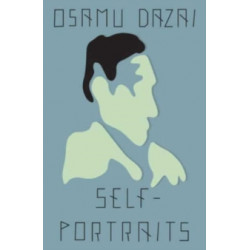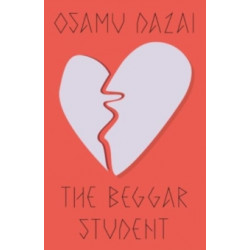


No one really understands how we suffer. One day, when we’re adults, we may come to recall this suffering, this misery, as silly and laughable, but how are we to get through the long, hateful period until then? No one bothers to teach us that. Osamu Dazai was a master raconteur who plumbed—in an addictive, easy style—the absurd complexities of life in a society whose expectations cannot be met without sacrificing one's individual ideals on the altar of conformity.
The gravitational pull of his prose is on full display in these stories. In “Lantern,” a young woman, in love with a well-born but impoverished student, shoplifts a bathing suit for him—and ends up in the local newspaper indicted as a crazed, degenerate communist. In “Chiyojo,” a high-school girl shows early promise as a writer, but as her uncle and mother relentlessly push her to pursue a literary career, she must ask herself: is this what I really want? Or am I supposed to fulfill their own frustrated ambitions? In “Shame,” a young reader writes a fan letter to a writer she admires, only to find out, upon visiting him, that he’s a bourgeoise sophisticate nothing like the desperate rebels he portrays, and decides (in true Dazai style): “Novelists are human trash.
No, they’re worse than that; they’re demons. . .